







(Click on the star on form card to select)
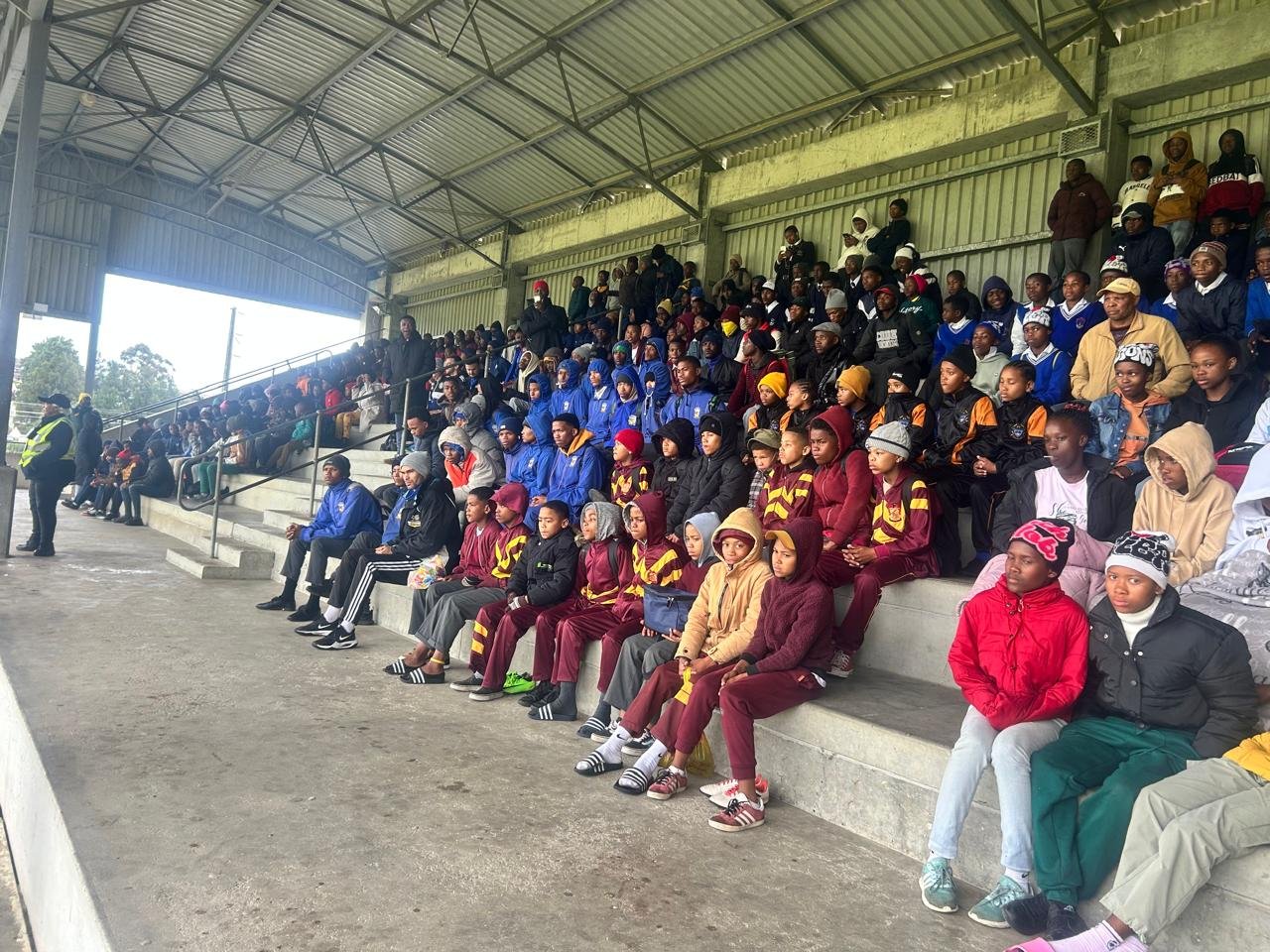
Football isn’t just a game—it’s a dream for millions of young boys and girls around the country. And for many, that dream starts right on their school playground. Schools football has become a crucial pathway for nurturing talent, providing young players with the skills, discipline, and exposure needed to reach the professional stage.
The soccer program identifies and nurtures talent in primary school students, promoting physical fitness and personal growth.
Dedicated coaches work closely with players to enhance their soccer abilities and encourage teamwork among peers.
Engaging the youth in soccer fosters a sense of belonging and encourages them to participate actively in school activities.
Football is more than just a game—it is a tool for youth development, community engagement, and social cohesion.
For many future stars, their journey begins in school teams. Structured training, competitive matches, and dedicated coaches help young players develop not just their technical abilities but also their teamwork, resilience, and tactical understanding.
Schools football provides a platform where raw talent can be identified, polished, and given the opportunity to shine.
“Young players need freedom of expression to develop as creative players. They should be encouraged to try skills without fear of failure.”
Arsene Wenger
The initiative aims to revive schools’ football while providing holistic development for learners, financial benefits for schools and organizers, and commercial opportunities for businesses.
The soccer program identifies and nurtures talent in primary school students, promoting physical fitness and personal growth.
Engaging the youth in soccer fosters a sense of belonging and encourages them to participate actively in school activities.
To promote structured training, competitive matches, and dedicated coaches helping young players develop not just their technical abilities but also their teamwork, resilience, and tactical understanding. Schools football provides a platform where raw talent can be identified, polished, and given the opportunity to shine.
To have many schools to partner with professional academies, offering elite training programs and exposure to scouts. Grassroots tournaments, inter-school leagues, and national school championships give young players the chance to compete at higher levels, catching the eye of recruiters from top clubs.
Participating in soccer teaches children valuable social skills, enhancing their ability to communicate and collaborate.
The school soccer program facilitates friendships, helping children form meaningful connections through shared experiences.
Soccer fosters a sense of community as players work together, build trust, and celebrate achievements with their peers.
Some of the biggest names started their careers through school soccer. This proves that with hard work, the right guidance and opportunities, schools soccer can be the first step towards a professional soccer career.
Encouraging parents to participate fosters a supportive environment for student athletes.
Parental involvement creates a community atmosphere that enhances the soccer experience for children.
Celebrating the role of parents highlights their importance to the success of school soccer programs.
A strong network of parental support promotes commitment and enthusiasm for school soccer teams.
The growth of women’s football has opened even more doors for young female players. Schools football is now a key talent pipeline for women’s leagues worldwide, with scouts increasingly looking at school tournaments for the next generation of stars. Young girls no longer have to wait—they can dream big and chase their football ambitions just like the boys.
SOCCER FREQUENTLY ASKED QUESTIONS
Although there is historical evidence of ancient games in Asia, Central America, and the Roman Empire which were similar to soccer, the modern game dates to the mid-1800s in England. There, the “schoolboys” of institutions like Brighton, Eton and Harrow started playing ball-oriented games with two teams, goals, and few rules. These games used many ways to propel the ball, including carrying it with the hands and kicking it with the feet.
Over time, two distinct groups evolved with different opinions about how the ball should be moved. The first group advocated the continued use of carrying the ball with the hands. The rules that they adopted ultimately became known as “Rugby Football.” The second group advocated using the feet to dribble and pass the ball. Due to a formal gathering of this second group, the rules that they adopted ultimately became known as “Association Football.” “Soccer” is the common term for the game in the United States. The majority of the rest of the world refers to the game as “football.”
Due to the first formal gathering of an association to discuss the game, the rules that they adopted ultimately became known as “Association Football.” It is commonly accepted that the word “association” was first abbreviated to “assoc” which then became “soccer.”
The generally accepted derivation is from when, over 100 years ago, erecting posts for goals on a field resembled that of pitching a tent.
When the game was first played in the late 1800s by the “schoolboys” of England, there was no offside rule. It wasn’t necessary because “gentlemen” would not have considered it “sporting” to have the ball passed to them with no opponent present and afforded the opportunity to defend. Accordingly, if a gentleman found himself without an opponent between himself and the goal, he would not take advantage of the situation. When the masses began to play soccer, many of the previously unwritten gentlemanly understandings of the game had to be codified. The first offside law, instituted in the early 1900s, required that three defenders be between the potential recipient of the ball and the opponents’ goal-line at the moment the ball was passed. Subsequently, in 1990 in an effort to increase scoring, this was changed to two defenders between, and later to at least one defender between and one defender level with, the potential recipient of the ball. Subsequently, even this was changed to having at least two defenders level. Without the offside rule, the game would be reduced to kicking the ball long distances to clumps of people in front of each goal. With the offside rule, the game takes on the beautiful nature of back-and-forth attack and defense.
Signup our newsletter to get update information, news, insight or promotions.